030 Grapes & Wine in New York State: A Tradition Rooted in the Land
From the deep blue waters of the Finger Lakes to the rolling hills surrounding Lake Erie and the scenic Hudson Valley, New York State has become one of America's premier wine-producing regions.
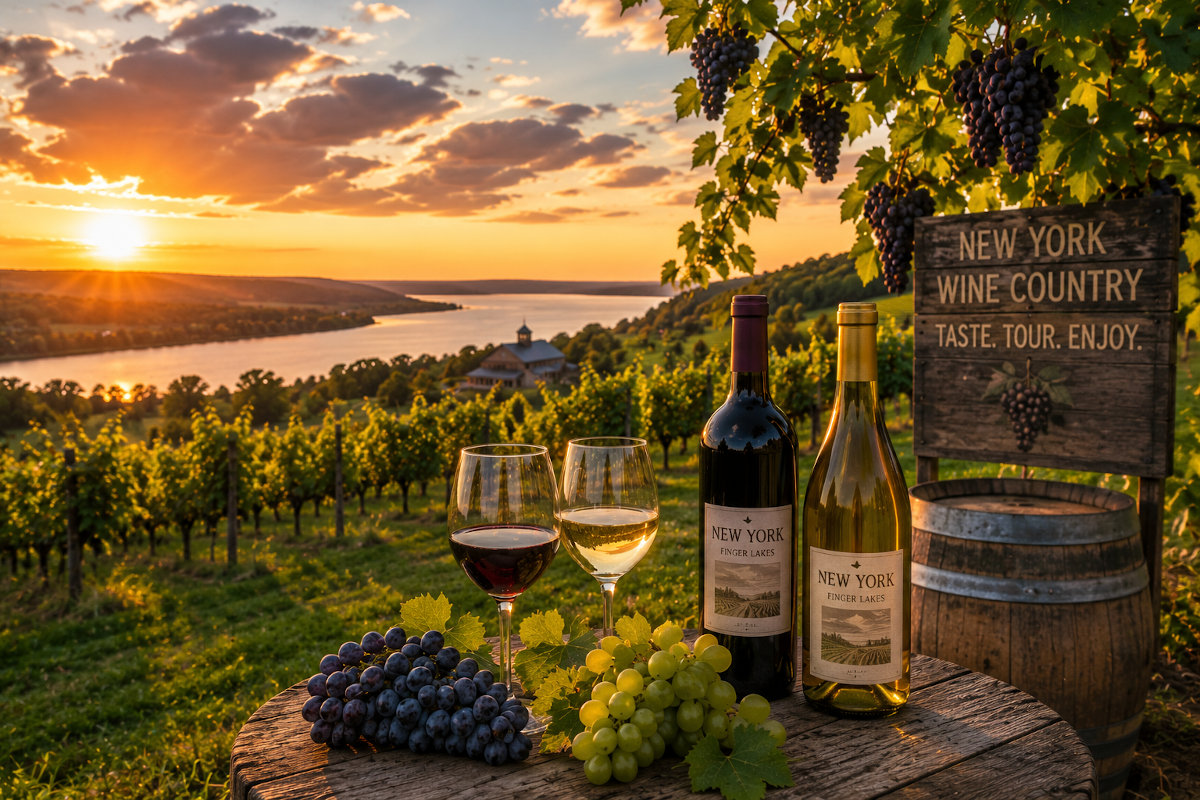
New York State Grapes & Wine
Rich soils, unique climates, and generations of dedicated growers have helped create an industry recognized around the world for quality, innovation, and hospitality.
Today, New York's vineyards produce everything from award-winning Rieslings and Cabernet Francs to sparkling wines, ice wines, and fresh table grapes enjoyed by millions each year.
A History That Spans Nearly Two Centuries
Commercial grape growing began in New York during the early 1800s, with the Finger Lakes and Lake Erie regions quickly proving ideal for vineyards. Over time, improvements in cultivation, research, and winemaking transformed New York into one of the leading wine-producing states in the nation.
Cornell University has played a significant role in advancing grape research, helping growers develop new varieties while improving vineyard management throughout the state.
Why Grapes Thrive in New York
New York offers an unusual combination of geography and climate that benefits vineyards.
- Deep glacial soils rich in minerals
- Large lakes that moderate winter temperatures
- ☀️ Warm summer days with cool evenings
- Long growing seasons in many regions
- Reliable rainfall and excellent air circulation
The Finger Lakes, Lake Erie shoreline, Hudson Valley, and Long Island each provide unique growing conditions that produce distinctive wines with their own regional character.
The Lakes Are Part of the Vineyard
Those beautiful vineyards overlooking New York's lakes are not located there simply for the view.
Large bodies of water warm and cool more slowly than the surrounding land, helping moderate temperature extremes in nearby vineyards.
This is particularly important in the Finger Lakes, where deep lakes such as Seneca, Cayuga, Keuka and Canandaigua influence the climate along their shores.
In autumn, stored heat can help extend the growing season. In spring, cold lake water can delay warming and sometimes reduce the risk of vines beginning growth too early.
The lake is not just scenery beside the vineyard.
It is part of the agricultural system.
Why So Many Vineyards Are on Slopes
Vineyard location can make an enormous difference.
Cold air is heavier than warm air and tends to drain downhill on calm nights, collecting in lower areas. A vineyard located partway up a slope may therefore escape some of the coldest temperatures during a frost.
Slope also affects drainage, sunlight and exposure to wind.
Even the direction a hillside faces can influence growing conditions.
When you drive through New York wine country, look at where the vines are planted. The location was probably chosen for reasons extending far beyond the beautiful view.
Wine Begins With Farming
Before there is a tasting room, bottle or label, there is a farm.
Grapevines must survive winter, begin growing in spring, flower, develop fruit and ripen that fruit before autumn weather ends the growing season.
Growers prune vines, manage disease and insects, monitor weather and decide exactly when the grapes are ready to harvest.
An entire year's crop can be influenced by a few unusually cold nights, too much rain or an early frost.
Wine may feel sophisticated when poured into a glass.
But it begins with agriculture.
New York by the Numbers
- ? More than 500 wineries operate across New York State.
- ? New York consistently ranks among the top wine-producing states in the United States.
- ? Thousands of acres of vineyards support growers from western New York to Long Island.
- ? New York wines regularly earn international awards for quality and craftsmanship.
New York's Wine Regions
- Finger Lakes
- Lake Erie
- Hudson Valley
- Long Island
- Niagara Escarpment
- Upper Hudson
- Champlain Valley
Each region offers its own scenery, climate, and wine styles, making every visit a unique experience.
Beyond the Vineyard
Visiting New York wine country is about much more than tasting wine. Scenic drives wind through vineyard-covered hillsides overlooking lakes, charming villages, waterfalls, restaurants, historic sites, and local farms.
Many wineries welcome visitors with tours, outdoor patios, seasonal events, live music, and opportunities to learn how grapes become exceptional wines.
More Than Wine
New York vineyards also produce fresh table grapes, grape juice, jams, jellies, and specialty foods. During harvest season, vineyards come alive with activity as grapes are carefully picked and prepared for winemaking.
The combination of agriculture, craftsmanship, tourism, and breathtaking scenery makes wine country one of New York's most rewarding destinations.
Where Geography Becomes Flavor
Wine provides another wonderful example of how New York's geography influences what people do.
Deep lakes moderate temperatures.
Slopes help drain cold air.
Soils influence water, nutrients and root growth.
Climate determines which grapes can successfully ripen.
Growers learn to work with those conditions, and winemakers transform the resulting grapes through fermentation, aging and craftsmanship.
Eventually someone pours the finished wine into a glass.
At that moment, something that began with geology, weather and farming becomes flavor.
In a very real sense, New York wine allows us to taste the landscape.
Experience New York's Wine Country
Whether you're overlooking Seneca Lake at sunset, exploring vineyards along Keuka Lake, enjoying the shores of Lake Erie, or discovering wineries in the Hudson Valley or Long Island, New York's wine regions offer unforgettable experiences throughout the year.
Beautiful landscapes, welcoming wineries, and generations of agricultural tradition continue to make grapes and wine an important part of New York's story.