013 Made in New York: Tiffany Glass
Few works of art capture light and color as beautifully as Tiffany glass.
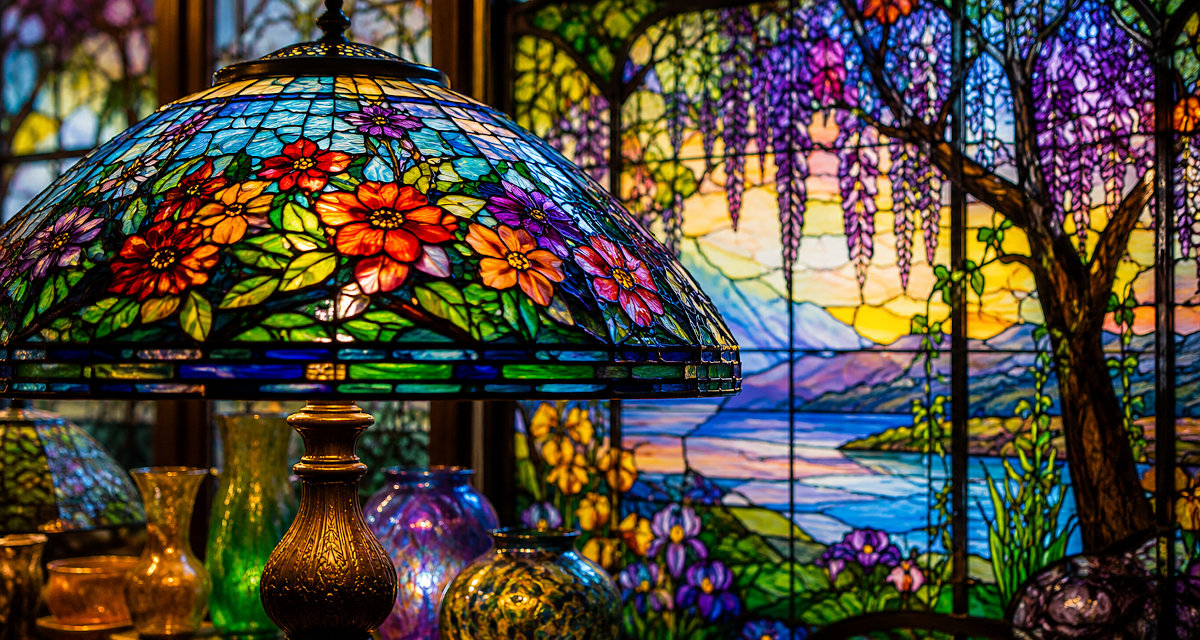
Tiffany Glass Made In New York State
From magnificent stained-glass windows in churches to the world-famous Tiffany lamps found in museums and private collections, these remarkable creations have become lasting symbols of American artistry. Their story begins in New York, where innovation, craftsmanship, and imagination transformed ordinary glass into extraordinary works of art.
For more than a century, Tiffany glass has inspired artists, collectors, and visitors from around the world. Its vibrant colors and intricate designs continue to shine as one of New York State's greatest artistic achievements.
The Vision of Louis Comfort Tiffany
Louis Comfort Tiffany, the son of famed jeweler Charles Lewis Tiffany, developed a passion for art, architecture, and decorative design during the late nineteenth century. Rather than simply painting on glass, he sought new ways to create color and texture within the glass itself. His experiments led to revolutionary techniques that forever changed stained-glass artistry.
Working from New York, Tiffany and his talented team of designers and craftspeople created windows, lamps, mosaics, vases, and decorative objects that quickly gained international recognition.
The Beauty of Favrile Glass
One of Tiffany's greatest innovations was Favrile glass, first introduced in the 1890s. Unlike traditional stained glass, which often relied on painted surfaces, Favrile glass contained rich colors blended directly into the molten glass. The result was remarkable depth, shimmering iridescence, and natural variations that made every piece unique.
The flowing colors often resembled flowers, feathers, flowing water, sunsets, and forest landscapes, reflecting Tiffany's lifelong admiration for nature.
The Famous Tiffany Lamp
Perhaps no Tiffany creation is more recognizable than the Tiffany lamp. Crafted from hundreds—or sometimes thousands—of individually cut pieces of colored glass wrapped in copper foil and carefully soldered together, each lamp became a functional work of art.
Popular floral designs such as dragonflies, wisteria, peonies, lilies, and poppies remain highly sought after by collectors and museums today.
Light as Art
Tiffany believed that light was an essential part of every design. As sunlight passed through stained-glass windows or a lamp illuminated from within, colors came alive in ways that paint alone could never achieve. Every hour of the day offered a different viewing experience, making each piece feel almost alive.
A Lasting Influence
Tiffany Studios helped establish the American Art Nouveau movement and influenced artists throughout the world. Even today, modern stained-glass artists continue to study Tiffany's techniques, while museums carefully preserve his masterpieces for future generations.
Original Tiffany lamps regularly sell for remarkable prices at auction, reflecting both their artistic significance and exceptional craftsmanship.
Where to See Tiffany Glass
Visitors can admire Tiffany glass in museums, historic churches, libraries, and public buildings throughout New York State. The New-York Historical Society houses one of the world's finest collections of Tiffany lamps, while many historic homes and cultural institutions feature original Tiffany windows that continue to sparkle more than a century after they were created.
Why Tiffany Glass Matters
Tiffany glass demonstrates how art and innovation can work together to create timeless beauty. Every carefully selected piece of colored glass reflects extraordinary patience, craftsmanship, and creativity. More than decorative objects, Tiffany creations tell stories through color, light, and nature.
Made in New York celebrates the products, artists, companies, and innovations that have shaped the Empire State. Tiffany glass remains one of New York's brightest artistic legacies, proving that light itself can become a work of art.